
OUR PLAN TO HOLD
CORPORATE POLLUTERS
ACCOUNTABLE
CORPORATE POLLUTER TAX
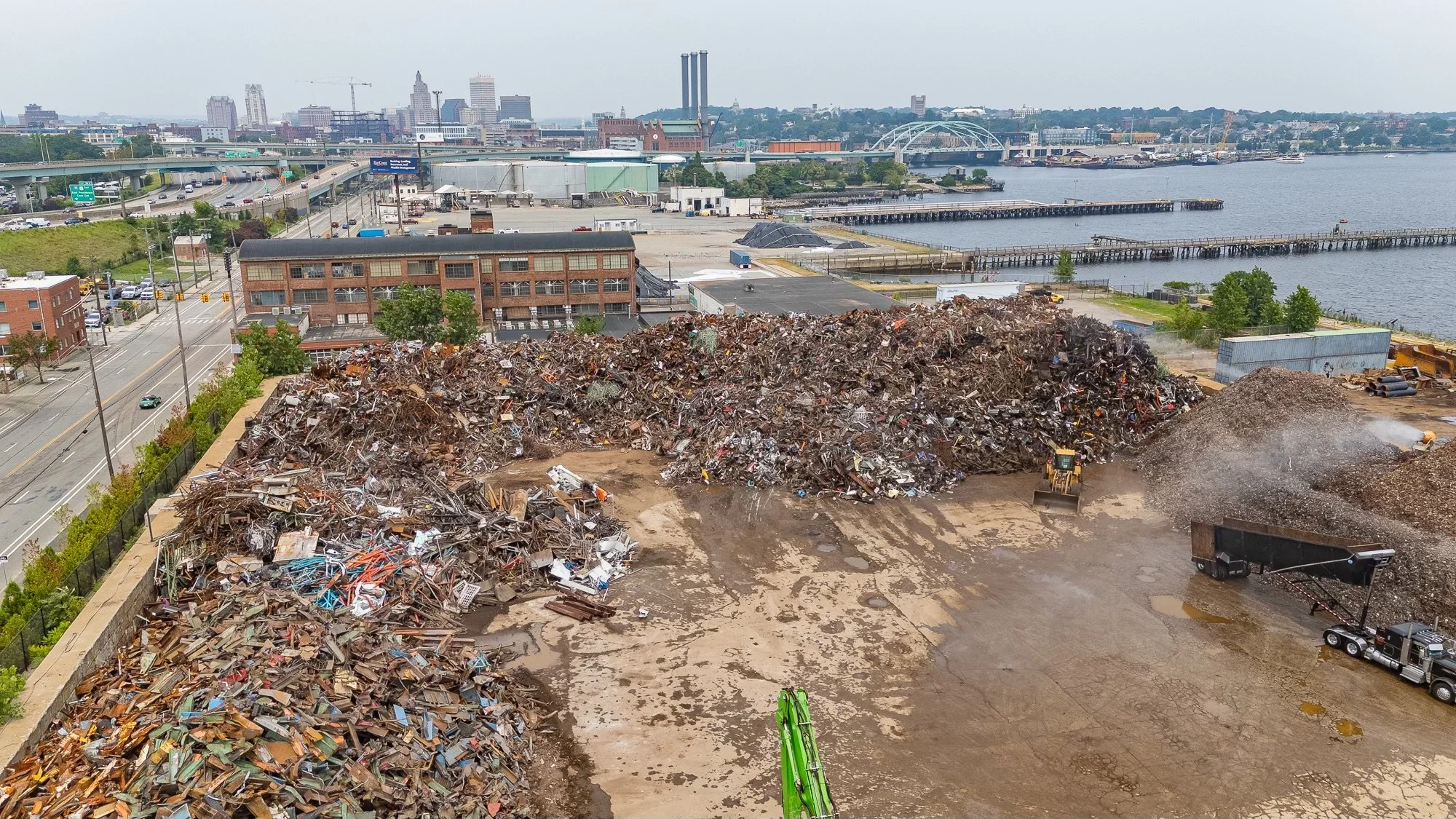
Home to asphalt plants, scrap metal facilities, oil and gas storage, and bulk salt operations, the Port of Providence has long been one of the most polluted areas in our state. For decades, our neighbors across South Providence and Washington Park have lived with persistent air pollution, noxious odors, heavy truck traffic, and repeated industrial fires. These conditions have contributed to serious public health issues, including elevated asthma rates and long-term exposure to harmful pollutants. As Mayor, David’s administration will hold these corporate polluters accountable.
During the 2025 legislative session, David helped pass a state law allowing the City of Providence to establish a “two-tier” commercial tax structure. This reform allows Providence to set different tax rates based on commercial property use. As Mayor, David will work with the Tax Assessor’s Office to introduce a city budget that fully utilizes this authority by setting a higher commercial tax rate for industrial facilities operating near the Port of Providence (properties covered under the ProvPort agreement would be excluded as they already operate under a separate financial agreement with the city).
A 3.5% Commercial Tax Rate for Industrial Businesses near the Waterfront
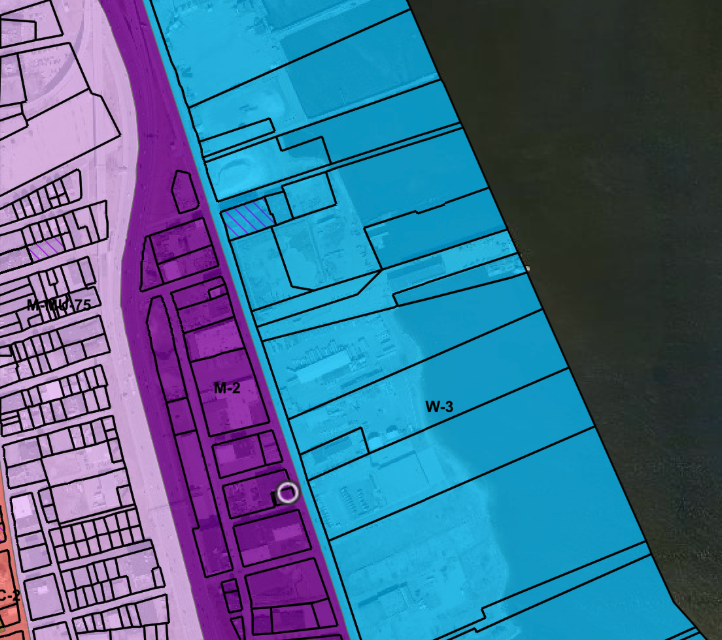
While a majority of businesses in Providence will maintain the current commercial tax rate of approximately 2.9% — David’s Administration will leverage a new 3.5% commercial tax rate established for properties zoned as industrial (M-2, M-MU-75, and W-3) operating within a one-mile radius of a waterfront.
For example: 520 Allens Avenue (Shell Terminal), an industrial property assessed at $4.12 million, would go from paying an annual property tax of about $120,000 to $144,000.
Generating Funds for City Services and our Public Schools
Industrial operators along the waterfront benefit from proximity to shipping routes, rail infrastructure, and long-standing zoning advantages. Yet the costs of their operations have been shouldered by our neighbors in the form of pollution, health risks, and reduced quality of life. This tax reform would help our city generate additional revenue to be directed towards strengthening our public schools and improving city services.
Exemptions for Restaurants
To ensure that non-polluter small businesses aren’t penalized, exemptions would be granted to food service establishments, such as Seaplane Diner and Ov's Restaurant.
Hazardous Material Storage Fees
For decades, our neighbors living near the Port of Providence have faced a disproportionate share of environmental and public health risks. Communities in Washington Park, South Providence, and surrounding neighborhoods are located near facilities storing hazardous chemicals, scrap materials, heavy fuel oil, powdered industrial products, and other hazardous substances. Airborne emissions, dust generated from bulk material storage, stormwater runoff contamination, leaks, fires, explosions, and improper handling of stored materials have had immediate and long-term health consequences for our communities.
In coordination with the Sustainability Department and the RI Department of Environmental Management, the Morales Administration will establish a Hazardous Material Storage Reporting and Fee Program requiring companies that store specified hazardous materials and industrial substances near the Port of Providence to comply with the following:
Report the type, volume, and location of hazardous materials stored on-site
Documented information would include: material type and classification, stored volume per month, and storage method (tank, container, pile, enclosed structure, etc.)
Hazardous Materials would include: anhydrous ammonia, aqueous ammonia, chlorine, formaldehyde, sulfuric acid, hydrochloric acid, petroleum products and fuels, liquefied petroleum gas (LPG), powdered cement, asphalt materials, road salt and de-icing compounds, scrap metals, and other federally or state-regulated hazardous substances
Increase transparency and accountability surrounding industrial operations near residential communities
The Sustainability Department will be directed to create a public hazardous material inventory dashboard, allowing residents to access information regarding: hazardous materials stored nearby, emergency response information, and past violations and enforcement actions
Monthly storage fees tied to material type, risk level, and storage volume
Revenue generated through these fees will be reinvested into emergency preparedness (e.g., Providence Emergency Management Agency initiatives), infrastructure improvements near the Port (e.g., Public Street), and community-led initiatives
Companies profiting from storing potentially dangerous materials must contribute more towards our city and the communities that have borne the environmental and public health impacts of industrial activity for generations. The Morales Administration will make clear that if an operation increases environmental risks for our neighbors, it must also help pay for protecting the communities carrying those burdens.
Consistent Air Quality Monitoring near the Port
For decades, residents living near the Port of Providence have raised concerns about odors, airborne emissions, particulate matter, and other pollutants associated with industrial activity.
The Rhode Island Department of Environmental Management’s (DEM) Office of Compliance and Inspection (OC&I) is responsible for investigating complaints, monitoring compliance with environmental regulations, and enforcing violations of air quality laws. Unfortunately, DEM has faced challenges consistently monitoring air quality near the Port of Providence due to staffing shortages and technical limitations.
The volume of complaints underscores the need for stronger oversight. Between January 2017 and April 2024 – 248 air quality complaints were filed against businesses operating near the Port. Despite repeated concerns from residents, limitations in staffing and monitoring capacity have reduced the ability to consistently investigate complaints and pursue enforcement actions. Our neighbors should not have to rely solely on filing complaints after exposure has already occurred. Providence needs a more proactive approach to environmental monitoring and accountability.
In coordination with DEM, the Breathe Providence initiative at Brown University, environmental organizations, and community-based partners – the Morales Administration will establish a Port of Providence Air Quality Monitoring & Enforcement Partnership to strengthen environmental monitoring and enforcement near industrial corridors.
By pursuing a cost-sharing agreement with DEM, Providence will have an Air Quality Specialist, Compliance Assurance staff member responsible for helping to oversee air and odor monitoring near the Port of Providence and around the city. Specifically, the Air Quality Specialist would monitor compliance around environmental laws, regulations, permits, along with taking enforcement orders and issuing financial penalties. As part of this initiative, a dedicated hotline will be established for Providence residents to report air quality concerns, odors, suspected emissions events, and other environmental complaints.
Recognizing that stronger oversight requires greater capacity, the Morales Administration will also work alongside Providence’s state delegation to advocate for increased state funding to help expand DEM inspection staff and invest in modern monitoring technology.
Our neighbors deserve to live with clean air, regardless of zip-code. By strengthening partnerships, advocating for greater state resources, and expanding environmental monitoring efforts, Providence can protect our communities living near the Port.